
 630-871-2400

Can You Include Your Children in an Illinois Order of Protection?
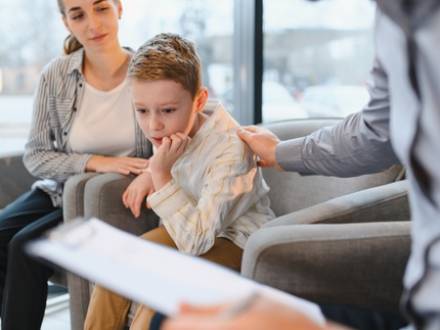 Domestic violence affects the whole family, especially when children are in the home. A parent who is seeking safety may worry about what will happen to their children and whether an order of protection can keep the alleged abuser away from them as well.
In Illinois, the law allows children to be protected through an official order of protection. If you are a victim of domestic violence and are concerned about your child's safety in 2026, a Wheaton, IL domestic violence attorney can explain what legal protections you can ask for.
When Can Your Child Be Protected by an Illinois Order of Protection?
An order of protection is designed to stop abuse by a family or household member. When children are involved, the court has the power to grant relief that protects them as well.
Under the Illinois Domestic Violence Act, 750 ILCS 60/214, the court can give the person asking for the order of protection (the "petitioner) custody of a minor child. It can also order the target of the order (the "respondent") of protection to return a child or prevent them from removing the child from the person caring for them.
A child does not have to be the direct target of abuse for child-related protections to be relevant. The law allows the court to consider the child's safety and well-being when deciding what the terms of an order of protection should be.
If the court finds after a hearing that the respondent abused the child, Illinois law creates a presumption against giving the respondent physical care of that child.
What Can an Illinois Order of Protection Do to Protect Your Child?
The protections available in an order can go beyond telling someone to stop abusive behavior. The judge can address several parts of a child's daily life when needed to keep the child safe.
Depending on what the court orders, these protections may include:
-
Giving the petitioner physical care of the child
-
Ordering the respondent to return the child or not to remove the child from the petitioner's care
-
Giving the petitioner temporary responsibility for major decisions involving the child
-
Limiting or denying the respondent's parenting time
The court may also order the respondent to stay away from protected people or certain locations. This can provide another layer of protection when a parent is worried that the respondent will try to approach the child.
How Can an Order of Protection Affect Parenting Time in Illinois?
A court can place limits on parenting time when allowing normal visits could put the child or another protected person at risk. This includes when the respondent is likely to abuse or endanger the child during parenting time. Restrictions may also be used if the respondent could use visits to harass the petitioner or keep the child.
The court can also set specific rules for any parenting time it allows. For example, the order may control where visits take place or set other conditions needed to protect the child.
These restrictions can have an immediate effect on a family's schedule. Parents should carefully follow the order, even if an earlier parenting plan gave the respondent more time with the child.
Can an Illinois Order of Protection Keep Your Child's School Information Private?
Keeping a child's location private can be another safety concern when domestic violence is involved. In July 2026, Illinois law added a new protection for school information to address this. It states that a parent seeking to have a child protected by an order of protection can give the court information about the child's school or other educational facility.
Under 750 ILCS 60/203, that information can be left out of court filings if revealing it could put the petitioner or child at risk of abuse. The rule applies to many types of schools, from early childhood programs through colleges and universities.
The law also allows a petitioner to ask the court clerk to send a copy of an order of protection to a child's school. This can help make sure the school knows about the order and the protections it contains.
Contact a Wheaton, IL Order of Protection Attorney for a Free Consultation
When domestic violence involves your children, protecting their safety is an important part of the order of protection process. At Fawell & Fawell, Attorney Alex Fawell brings 10 years of legal experience to family law cases. He takes a practical, results-oriented approach with your family's needs in mind.
Contact a DuPage County, IL domestic violence lawyer at Fawell & Fawell to discuss the protections available for you and your children. Call 630-871-2400 today to schedule your free consultation.





FREE CONSULTATIONS
630-871-2400
Office Location
2100 Manchester Road
Building B, Suite 912
Wheaton, IL 60187
MAP + DIRECTIONS [+]
Follow Us